
CRITICAL ILLNESS VS INCOME PROTECTION : Costs, cover & advice
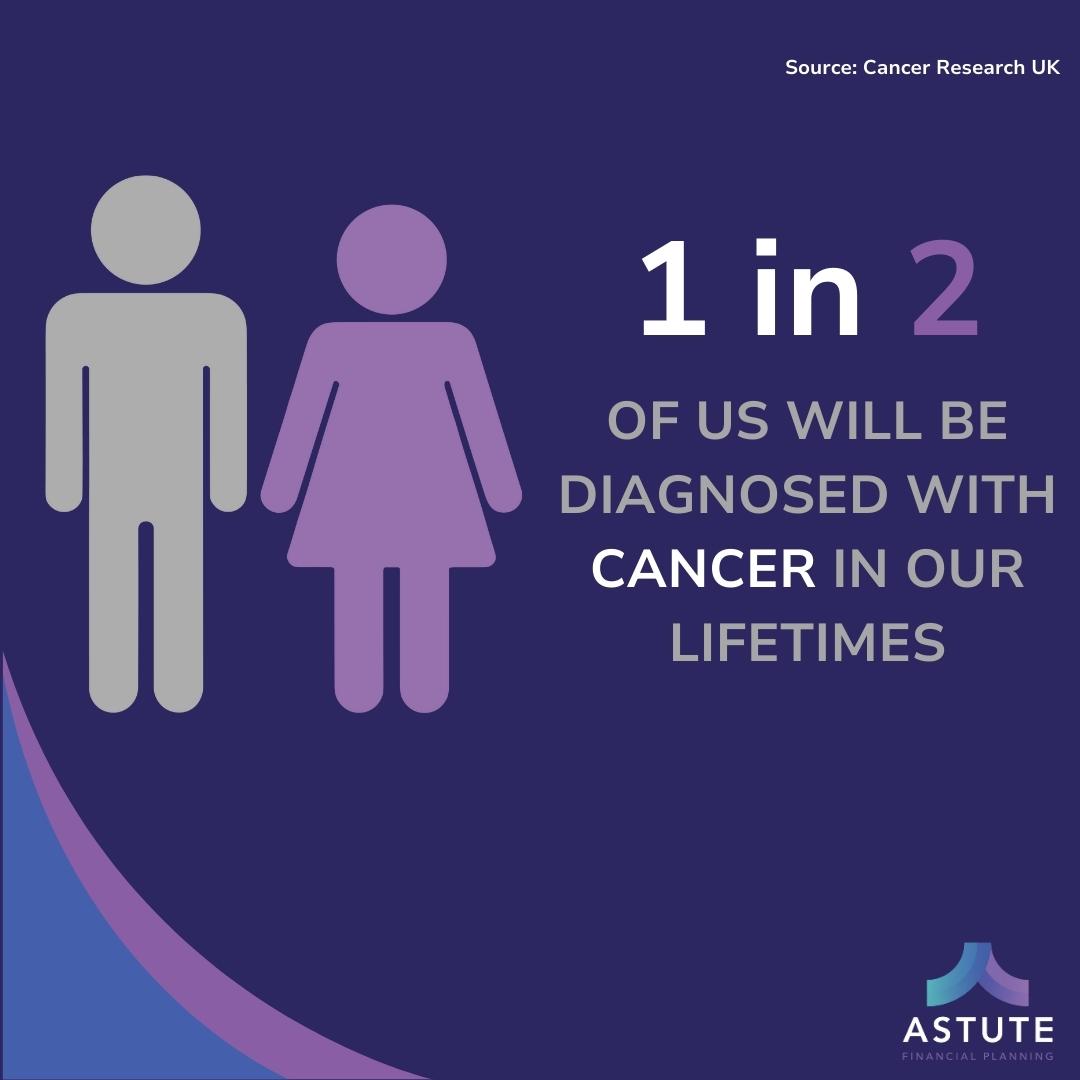
If you had to stop working because of illness or injury, how would you keep up with the bills? It’s a question most people don’t think about until they’re forced to, and that’s where Income Protection and Critical Illness Insurance come in. Although they’re often mentioned together, they do very different jobs.
One provides a regular income while you’re unable to work, while the other pays out a lump sum following a serious diagnosis. Knowing how each works and when one might be more suitable than the other can make a big difference to your financial security.
What’s the Difference Between Critical Illness and Income Protection?
Critical Illness Cover
Critical Illness Cover is designed to provide a one-off lump sum if you’re diagnosed with a serious illness named in the policy, such as cancer, a heart attack or a stroke. It’s often taken alongside a term or whole-of-life policy, but it can also stand on its own. For more information on life insurance, please refer to my previous blog: How Much Life Insurance Should I Have?
With a critical illness policy the money is paid directly to you, which means you’re free to use it in whatever way makes life easier at the time. Some people use it to help cover treatment costs or take time off work, while others use it to reduce financial pressure by paying down debts or supporting everyday expenses while they recover.
Because the policy only pays out for specific conditions, it’s usually more affordable than people expect. In the UK, cover can start from as low as £10 per month for a basic level of protection, depending on your age and health. The price will increase if you want a higher lump sum, wider illness definitions, or added options such as cover for children. of what these look like later.
Income Protection Insurance
Income Protection Insurance is designed to provide a regular monthly income if you’re unable to work due to illness or injury. Rather than a one-off payout, it pays an ongoing benefit to help keep money coming in while you focus on getting better. Depending on the policy you choose, payments can continue until you return to work, reach the end of the policy term, or retire.
The benefit is usually a percentage of your income and can be used to cover everyday essentials such as mortgage or rent payments, household bills, and general living costs. For many people, this type of cover offers reassurance that their lifestyle and commitments can still be maintained, even if they’re unable to do their job for a period of time.
Income Protection is often seen as one of the most comprehensive forms of personal protection, as it covers a wide range of illnesses and injuries rather than specific conditions only. Premiums vary based on individual circumstances, but basic cover can start from as low as £9 per month. The final cost will depend on factors such as your occupation, health, age, the level of income you want to protect, and how long you’re willing to wait before payments begin and when they end.
Tools to Help You Choose the Right Cover
There are many online tools and calculators that can help you decide which type of insurance is most appropriate for your needs and provide guidance on the right policy payout. For example, Quilter offers a comprehensive scenario-based questionnaire that serves as a helpful guide. It helps you to:
- Understand the likelihood of certain events occurring at different stages of your life
- Explore the potential financial impact those events could have on you and your family
- Decide how, or if, you want to protect yourself against those risks
Astute Financial Planning are not responsible for the accuracy of the information contained within the linked site.
How Much Income Protection and Critical Illness Cover Do I Need?
Most income protection policies are set up to cover around 50–65% of your gross income. This is because the benefit is usually paid tax-free, so it’s designed to replace your take-home pay rather than your full salary.
Critical illness cover is often based on outstanding debts and financial pressures, rather than income. A common rule of thumb is to consider enough cover to:
- Clear or reduce your mortgage
- Pay off loans or credit cards
- Give you a financial buffer while you focus on recovery
Some people choose a figure linked to their mortgage balance, while others opt for a smaller lump sum to create breathing space. Rather than asking “What’s the maximum I can insure?”, it’s usually more helpful to ask “What would cause me financial stress if my health changed?” That answer looks different for everyone, depending on income, family responsibilities, lifestyle, and savings.
Should You Choose Critical Illness, Income Protection or Both?
There isn’t a single right answer, because it really depends on how you would be affected financially if you couldn’t work. Some people prefer the certainty of a lump sum from critical illness cover, knowing it could help clear debts or give them breathing space after a serious diagnosis. Others are more concerned about their month-to-month income and feel more comfortable knowing they’d still have money coming in if illness or injury stopped them from working, which is where income protection fits best. In many cases, having both provides the strongest safety net, one offers immediate financial support after a serious illness, while the other helps cover everyday living costs for as long as you need it. The key is choosing cover that reflects your commitments, your income, and how much risk you’re comfortable carrying yourself.
Get Expert, Personalised Advice
Everyone’s circumstances are different, which means the right mix of Critical Illness and Income Protection cover will vary from person to person. It depends on things like your income, job security, lifestyle, and what you’re planning for the future. Online tools can be a useful starting point, but speaking to an adviser or financial planner can help you get much clearer on what’s right for you.
They can help you:
- Work out the right level of cover based on your income, outgoings, and commitments
- Decide which type of protection makes the most sense for your situation, whether that’s income protection, critical illness cover, or a combination of both
- Ensure your premiums are affordable and fit comfortably within your budget, now and in the future
If you’re uncertain about the most suitable policies or the level of cover required, I can guide you through your options and help ensure your protection is aligned with your current circumstances.
Disclaimers:
Approver Quilter Financial Services Limited January 2026
The value of investments and the income they produce can fall as well as rise. You may get back less than you invested.
Sources:
Quilter Cancer Research UK

Ready to get started?
Get in touch today
If you would like to arrange a meeting with Sarah, please complete the attached form you can schedule in a 15 minute initial telephone call.